

Orthodontic Retainers- Allen, TX
Retaining Your Beautiful New Smile
After months or, in some cases, years of straightening your teeth, the last thing you want is for them to drift back to their previous positions. This phenomenon is referred to as “orthodontic relapse,” and it happens to upwards of 50% of patients within 10 years of finishing their treatment. The good news is that our team at Hanson Orthodontics of Allen can provide you with a customized retainer to help prevent that from happening to you. To learn more about the types of retainers we offer, and which one is right for you, get in touch with our team to schedule a consultation or read on!
Why Choose Us for Orthodontic Retention
- 3D Printer Improves Fit & Wait Times
- Dental Insurance Friendly Office
- Experienced Orthodontist
What’s an Orthodontic Retainer?
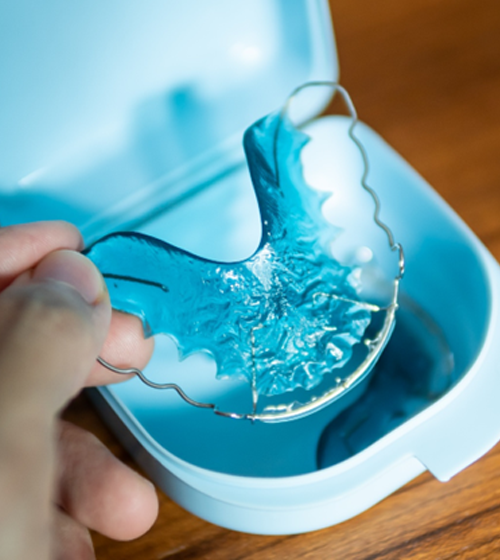
Orthodontic retainers can take many forms, but the goal of each is to prevent your beautifully straightened teeth from slipping back out of place. Like braces and clear aligners, retainers work by applying pressure to your teeth – however, since we just need to retain the new alignments, your retainer will only create a fraction of the pressure you experienced during your orthodontic treatment.
Retainers are also customized for each patient, meaning we’ll have to take impressions of your mouth. Fortunately, we have a digital system that eliminates the need for uncomfortable “gray goop.”
Types of Orthodontic Retainers
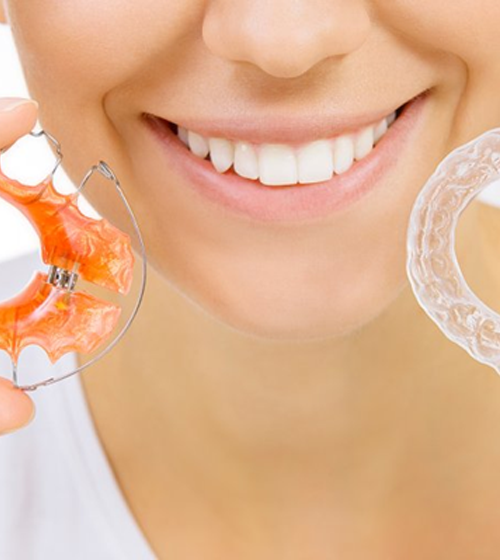
The type of retainer Dr. Hanson will recommend ultimately depends on the orthodontic treatment you received and what your needs will be going forward. She’ll discuss her recommendation in detail during your consultation, but in the meantime, here’s a general overview of the types of retainers we provide:
Standard Hawley or Wrap
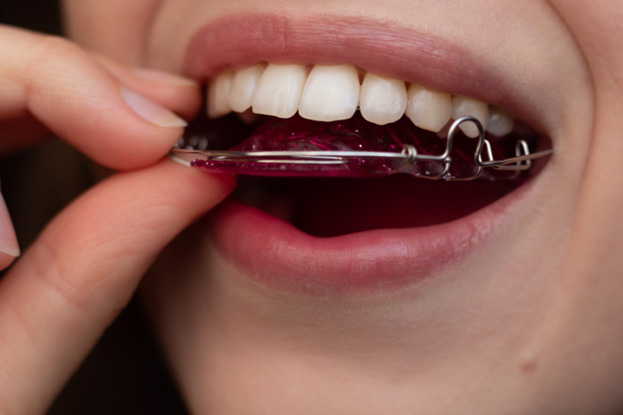
When patients think of retainers, they typically think of Hawley or Hawley-Wrap retainers. They’re made from durable acrylic materials and consist of a wire and low-profile base. The base will rest against the back of your teeth, while the wire will clasp around your molars for stability.
Anterior Biteplate
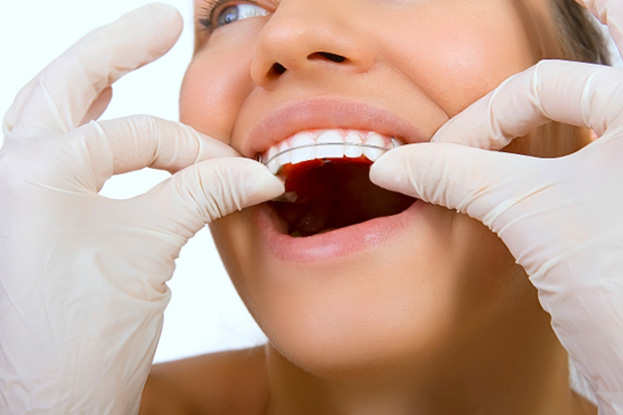
Although an anterior biteplate looks similar to Hawley retainers, it’s actually crafted from clear thermoformed plastic that sits primarily behind your front teeth. As you may have guessed from the name, it’s ideal for patients who have a significant overbite or lower incisors that are “overly-erupted.” One of the perks of this type of retainer is that they hold your teeth firmly in place, even if you chronically clench or grind your teeth.
Posterior Occlusal Coverage
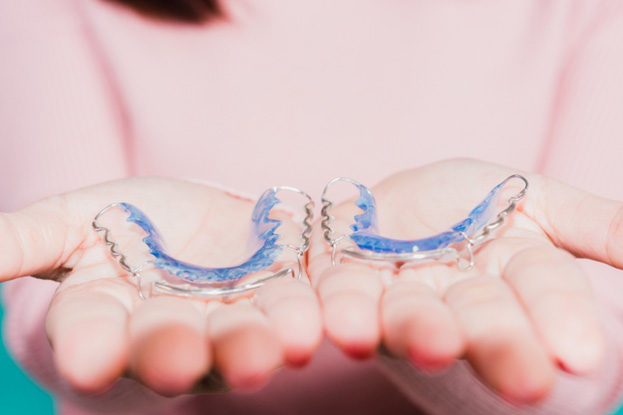
In short, a posterior occlusal coverage retainer is recommended for patients who received treatments for an anterior open bite or vertical growth pattern. Like with the previous two types of retainers, a wire will wrap around your teeth to help hold the appliance in place. Unlike the previous retainers, clear acrylic will also cover your back teeth.
Plastic Full Coverage
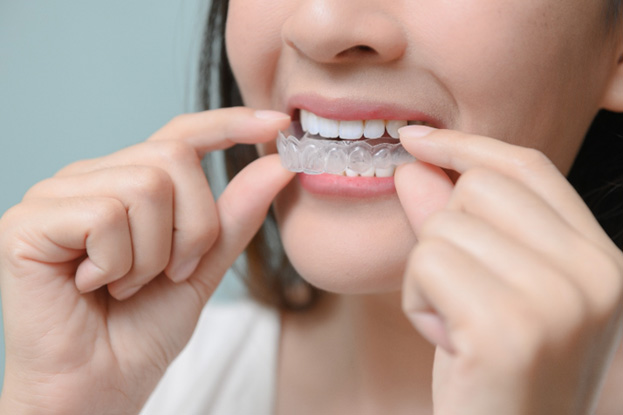
Missing a tooth? Getting ready to start the restorative phase of your treatment? Good news: we can protect your teeth with a plastic full coverage retainer. This retainer looks the most like a set of clear aligners, and is worn in much the same way. Since the plastic can stretch over time, you’ll need to get replacements about every one to three years.
The Benefits of Orthodontic Retainers

As long as you wear your retainer as directed by Dr. Hanson, your teeth should stay in their newly straightened positions. Besides maintaining your beautiful smile, this will also help you avoid needing orthodontic re-treatment in the future. Overall, orthodontic retainers are a beneficial preventive measure that can help you stay confident in your grin and can keep your treatment costs low!
Caring for Orthodontic Retainers
Like all oral appliances, retainers need to be cleaned regularly and cared for properly. Here’s how you can keep them hygienic and promote their longevity:
- Remove your retainer when eating
- Put your retainer in a case when you’re not wearing it, and place the case in a secure drawer or cabinet
- Rinse your retainer before putting it in or after taking it out of your mouth – note that hot water can warp the materials!
- Clean your retainer at least once per day with a soft bristled toothbrush and hand-soap
- Brush and floss before putting your retainer back in
Retainer FAQs
How Long Will I Have to Wear My Retainer?
You’ll need to wear your removable retainer full time right after you finish treatment with braces or aligners. This usually means day and night, except when you’re eating or taking care of important oral hygiene tasks. Over these first several months, your teeth are most likely to shift, so this period is crucial for holding your new smile in place. Aim to wear your retainer for 20 – 22 hours each day.
After the initial phase, you may be able to switch to nighttime wear for as long as you want to maintain your results. Eventually, you might need to wear your retainer for just a few nights each week. If it ever starts to feel unusually tight, that indicates you are not wearing it enough.
How Often Will I Need to Replace My Retainer?
Removable retainers like Hawley devices, anterior biteplates, posterior occlusal coverage, and full plastic aligners can last for years with proper care. However, you might need a replacement if your retainer becomes cracked, warped, or doesn’t fit as well as it used to.
We recommend checking your retainer regularly for signs of damage or changes in fit. If you notice any issues, reach out to our office. At Dr. Hanson’s practice, we’ll help you decide if a replacement is needed and get you a new retainer quickly so your smile stays on track.
Can I Eat While Wearing My Retainer?
You should always remove your retainer before eating or drinking anything besides water. Eating with your removable retainer in place can cause it to crack, bend, or become covered in food particles, which can lead to discomfort and bad odors. Certain foods, especially sticky or hard ones, can damage your retainer or affect its fit.
What Should I Do if My Retainer Gets Damaged or Lost?
If your retainer is damaged or lost, don’t panic. The first step is to contact us right away so we can help you prevent your teeth from moving out of place. Depending on the details of the situation, there are a few recommendations that we might make.
For example, our Allen team may advise you to keep wearing your retainer if it’s only slightly damaged and still fits, but you should avoid using it if there are sharp edges or it doesn’t feel right.
If your retainer is completely lost, our team will work to get a replacement for you as soon as possible.
If I Grind My Teeth, How Will That Affect My Retainer?
Teeth grinding could damage your retainer, so if you tend to grind while you are awake, you should consciously work to quit. Many people find that a stress ball, fidget toys, or breathing exercises can help them manage stress and release jaw tension.
If you tend to grind at night, you may need a custom nightguard that is also designed to act as a retainer. These are thicker than regular retainers and can to prevent dental shifting while also placing a protective barrier between your teeth.