

Palatal Expanders – Allen, TX
Guiding Your Child’s Jaw Development
Most people know about regular oral appliances such as retainers when it comes to orthodontic treatment. However, for younger patients who require adjustments for their growing upper jaw, our team at Hanson Orthodontics of Allen can provide palatal expanders to do the job. Sometimes as part of phase 1 orthodontic care, these appliances are designed to help guide a child’s upper jaw toward proper development, allowing emerging teeth to come out in their ideal positions and angles. Read on to learn more about this oral appliance or give our team a call to schedule an appointment for your little one.
Why Choose Hanson Orthodontics of Allen for Palatal Expanders?
- Comfortable & Secure Appliances
- Personalized for Every Patient
- Professional & Experienced Orthodontic Team
What Is a Palatal Expander?
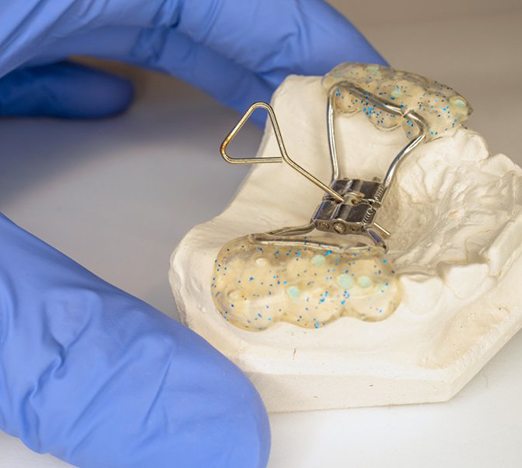
Palatal expanders are personalized orthodontic appliances that are meant to apply careful and strategic pressure to a child’s hard palate (the upper jaw, or the roof of their mouth) so that they can gradually widen as they mature. Over time, this treatment should help to develop sufficient room for the patient’s growing teeth to emerge correctly in their ideal positions.
For the most part, palatal expanders are typically reserved for those who are between the ages of 5 and 16. They might also be recommended for patients who are experiencing one or more orthodontic problems, including:
- Overcrowding
- Crossbite
- Impacted teeth
- Trouble breathing through the nose caused by a narrow upper airway
How Does a Palatal Expander Work?
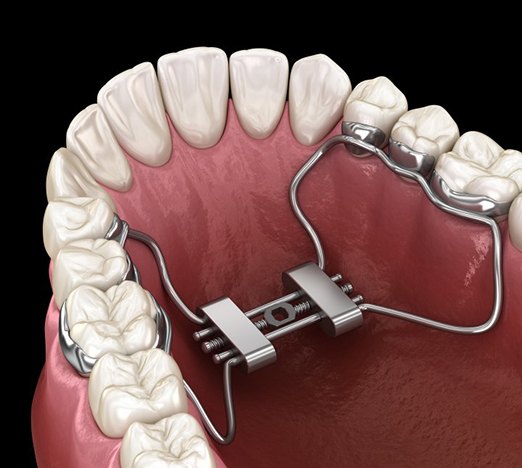
The palatal expander is first designed to attach to a patient’s molars (rear teeth) by using small metal rings. While some of these oral appliances are removable, others are not. This will be discussed with your child’s orthodontist during the initial consultation. Whether it’s removable or not, the palatal expander should have an expansion screw that is meant to widen the device gradually, that way the upper jaw can expand over time.
In many cases, patients wear a palatal expander for about 6 to 12 months. Afterward, their mouths should generally have adequate space to accommodate the incoming adult teeth in the upper jaw.
Caring for Your Palatal Expander
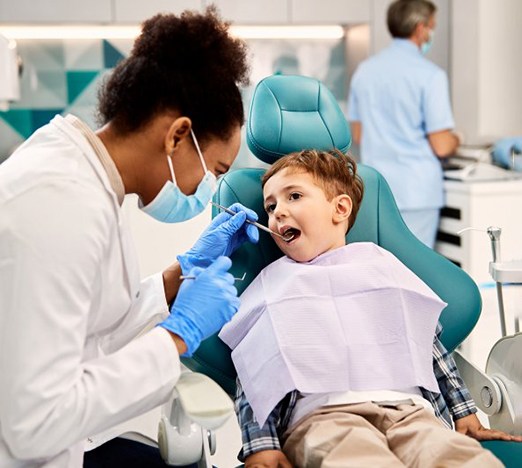
Since these oral appliances will be in the mouth for a long time, it’s important to keep them clean throughout the treatment process. To keep them fresh and healthy, have your child use toothpaste and brush them gently several times a day. You might even have them use a water flosser to help prevent plaque buildup from the places that they can’t reach with their toothbrush. If the palatal expander is removable, simply have them take it out to scrub and rinse them. Be sure to also take your child for their appointments so that our team can help maintain their oral appliance.
Palatal Expanders FAQs
Will my child need to avoid certain foods while wearing a palatal expander?
Yes. Palatal expanders in Allen can cause changes in your child’s diet. Those that need to be avoided include sticky or chewy foods, as well as candy and gum. The reason is that it can stick to the expander, creating potential problems with the expansion screw. If your child is experiencing any kind of soreness, it might be best to have them avoid anything that will require additional pressure when biting down or chewing.
What are some common side effects?
While wearing a palatal expander, there are common side effects that can occur, including:
- Regular headaches
- A gap forms between the upper front two teeth
- Food becoming stuck between the device and your child’s palate
- Increased saliva production
- Jaw achiness
- Difficulty speaking clearly
- Increased sinus pressure
It’s important to remember that most of these are normal and will dissipate once the device is removed. Your child’s upper jaw is stretching and widening, so various changes will occur.
How long is treatment with a palatal expander?
Most children are required to wear a palatal expander for 6-12 months. This is usually enough time for the upper jaw to move and create additional space for any incoming permanent teeth. However, every child is different, so the timeframe for your little one will be determined during a consultation with Dr. Hanson.
One thing you can be sure of is that with the help of a palatal expander, your child will experience positive results that allow for better oral health.
Will my child experience discomfort while wearing a palatal expander?
Since the bones of your child’s mouth have yet to fuse, the use of a palatal expander should not cause serious pain; however, they will likely feel some pressure. This can occur for several minutes or hours, depending on the child and how well the jaw is moving. Since the expansion screw is likely to be turned at night, your child will be less likely to feel any discomfort, as they will be asleep.
Are my child’s speech and eating affected during treatment?
Whether your child requires a palate expander to address existing speech issues, they may experience a change in how they talk while wearing this device. This is completely normal, especially since it often requires an adjustment phase. When eating, your child will need to avoid sticky foods and hard foods, such as popcorn and nuts.
This will ensure they do not struggle with food getting trapped in the appliance.
What follow-up care is needed after treatment?
Follow-up care is based on your child’s orthodontist's recommendations. This may include a retainer or additional orthodontics, such as braces. It’s normal for your child to experience some mild soreness and sensitivity in the days following the removal of their expander. During this time, they will need to continue gently brushing and flossing to keep their teeth and gums healthy.
Once the palate expander is removed, your child’s orthodontist will explain the next steps in preparation for any additional treatment.
What should you do if you forget to expand it for a few days?
It is okay if you miss 1 or 2 days without expanding the device; however, this should not become a common occurrence. Once you or your child remembers to turn it, make sure that you adhere to the required schedule. Whatever you do, do not attempt to turn the expander more than necessary to make up for lost time. This will only cause additional discomfort.
Failing to turn the expander on schedule will only prolong the treatment timeline.