

Clear Braces – Allen, TX
Personalized Treatment Without Changing Your Image
Dr. Hanson can provide all the benefits and reliability that come with traditional braces while ensuring that your smile does not stick out like a sore thumb. Whether you have a teenager who cares deeply about their image, or you are an adult who does not want metal braces, we encourage you to give us a call to set up a free consultation right here at Hanson Orthodontics of Allen. Thanks to advancements in the field, we are able to offer personalized treatment without changing your image. You may be a candidate for clear braces in Allen!
Why Choose Hanson Orthodontics of Allen for Clear Braces?
- Transparent and Tooth-Colored Materials Utilized
- Does Not Sacrifice Effectiveness of Treatment
- Board-Certified Orthodontist Ready to Serve
How Do Clear and Ceramic Braces Work?
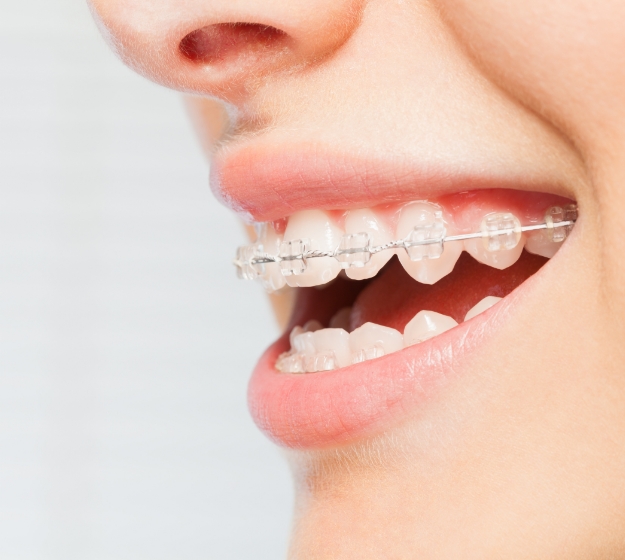
Clear/ceramic braces are quite similar to traditional braces — with a few exceptions. Thin wires are placed along each row of teeth and held with brackets. These wires apply a small amount of force slowly and gently until they reach their intended positions. The biggest difference by far is that the brackets are transparent. They are made of clear ceramic and even lay flatter against teeth when compared to traditional braces. The result is an orthodontic treatment that is barely noticeable but still provides the same results you have always wanted!
How Do Clear Braces Compare to Traditional Metal Braces?
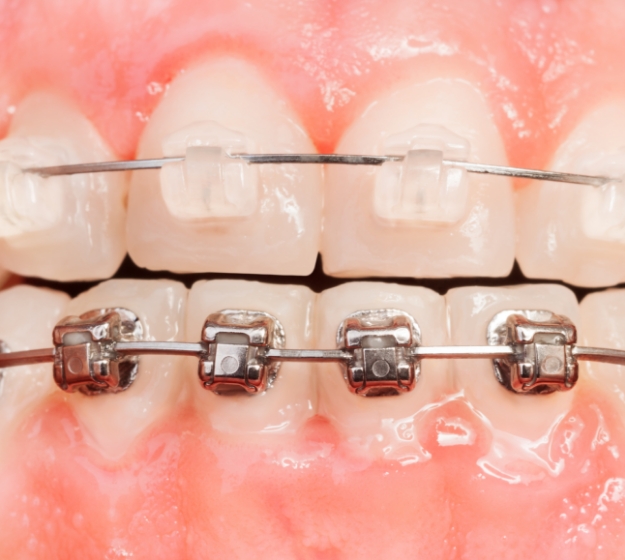
The way clear braces look is the most significant factor that sets them apart from metal braces. However, there are a few additional differences:
- Metal braces are slightly stronger. Therefore, our team might recommend them if your dental misalignment is complex or severe, or you have lifestyle factors that put you at a higher risk of damage to your braces.
- Some parts of clear braces can stain. Clear ceramic brackets are resistant to stains, but the ligatures that hold the wire in place can become discolored if you overindulge in coffee or other highly pigmented foods and beverages.
- The brackets are different sizes. Ceramic brackets are flatter against the teeth than metal ones, but they tend to be a bit larger.
How Do Clear Braces Compare to Clear Aligners?
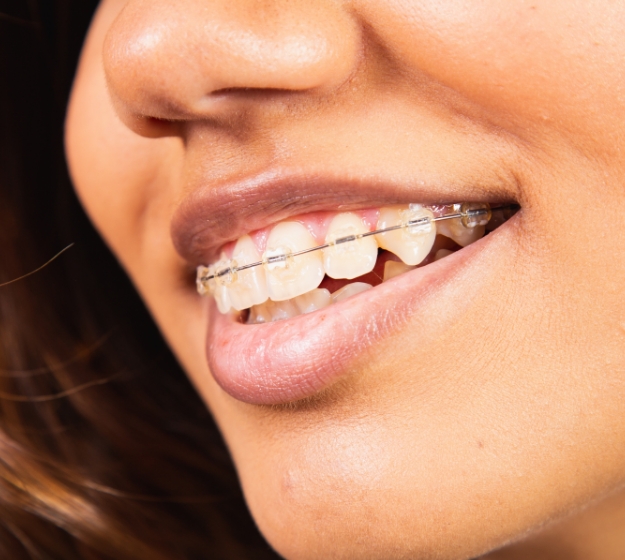
Both clear/ceramic braces and clear aligners are discreet ways to straighten teeth. However, there are some noteworthy differences. Often, clear aligners appeal more to individuals who want to be able to take their treatment out of their mouth. Clear braces are popular among people who do not want to have to remember to wear their treatment every day. They may also be suitable for different types of dental misalignment.
Are Clear and Ceramic Braces Right for You?

When you come in for your orthodontic consultation, our team can help you compare all of your treatment options. We will recommend the one that we believe best fits your circumstances and preferences. Often, clear and ceramic braces are ideal for people who are image-conscious and want to be able to smile confidently throughout their treatment. They may also be a good choice if you have sensitivities or allergies to metal.
Clear and Ceramic Braces FAQs
Are Clear/Ceramic Braces Painful?
Like traditional braces, you are likely to experience some soreness when you first get your clear/ceramic braces, as well as after periodic tightenings. We recommend avoiding hard, tough, and crunchy foods during this time, and taking OTC pain relievers often provides significant relief. As your teeth become more and more adjusted to their new alignments, you should experience soreness less frequently.
Now, if a wire continues to poke your oral tissue even after a week or so, then we may need to adjust or cut the wire shorter. Persistent discomfort can mean that something doesn’t fit quite right, so it’s best to give our team a call in this situation!
How Long Do Clear/Ceramic Braces Take to Work?
It varies on a case-by-case basis, but clear and ceramic braces typically have a similar treatment timeline as their metal counterparts. The average is around one to two years. Once we’ve gotten a better understanding of your current dental alignment, we’ll be sure to let you know how long we expect your treatment to take.
Can You Eat Normally with Clear/Ceramic Braces?
You’ll be able to enjoy most foods freely, but like with metal braces, certain textures can break the brackets and wires (or make brushing your teeth quite a chore!). Crisp apples, hard popcorn kernels, crunchy carrots, sticky caramels, and other similar snacks should generally be avoided. Keep in mind that besides being a temporary nuisance, damaging your braces could potentially prolong your treatment timeline.
Do Clear/Ceramic Braces Stain?
The brackets on our clear and ceramic braces in Allen are stain-resistant, but technically speaking, both they and the elastics that hold the wire in place can discolor over time. And we want to emphasize the “over time” part! Regular cleanings and maintenance can help you maintain their subtle look, and depending on your dedication and treatment timeline, you may not encounter significant staining. Here’s what we recommend:
- Brush your teeth twice daily, taking extra care to scrub the brackets
- Floss at least once per day
- Rinse your mouth with warm water or mouthwash after meals
- Limit your consumption of strongly-pigmented foods and drinks (like coffee, curries, tomato-based soups and sauces, and berries)
- Visit us for routine follow-ups and biannual checkups and cleanings
How Do I Care for Clear/Ceramic Braces?
In some ways, clear and ceramic braces are fairly low maintenance. Since they’re fixed to your smile, you won’t have to worry about remembering to take them out or put them back in, and you won’t have to keep track of a special container. They do require consistent and careful cleaning, though. Food particles and bacteria can accumulate on the brackets, and mitigating this build up is vital for your oral health.
We know it can be tough to get behind the wires to brush and floss – fortunately, there are some useful tools that can make life with braces a lot easier! Here are a few examples:
- Sulcus brushes have long handles with smaller, more flexible bristles on the end that are perfect for sliding behind wires.
- Water flossers remove bacteria between teeth and near brackets by producing a stream of water. All you have to do is point and spray!
- A good mouthwash can help dislodge debris and make it easier to remove from your braces. Try to find a solution with fluoride so you can give your smile a cavity-fighting boost.